.png)
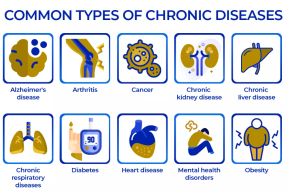
Chronic Disease Day spreads awareness to educate and advocate for people who live with a chronic health conditions. Many, but not all, chronic diseases can be prevented simply by practicing self-care. Improving and practicing a healthy lifestyle can likely reduce getting a chronic disease.
A chronic disease is a condition that lasts longer than one year. According to the Center for Disease Control and Prevention, chronic disease is one of the leading causes of death in the United States. Seven out of 10 people suffer from a form of chronic disease.
What can you do to prevent getting a chronic disease?
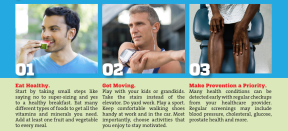
- Eat a healthy diet. Eating the proper amount of fruits, veggies, grains, dairy and protein plays a significant role in maintaining a healthy weight. Limiting sugar and starch intake prevents obesity, diabetes, heart disease and cancer.
- Exercise. Increasing physical activity not only promotes physical health, it also helps balance mental health.
- Routine medical check-ups. Visiting your doctor regularly is important so there's early detection to address medical problems and finding a plan of action.
- Know your family medical history. Having a complete medical history of your family will help your doctor determine possible health problems you may develop.
- Rest. Getting adequate rest is a factor in how your body reacts to "life." Stress, depression and anxiety cause serious health problems, too.
Economically, chronic diseases have a significant impact financially in the United States. Because people with chronic disease illnesses live long lives, the cost to treat these illnesses becomes extremely expensive over the years.
Why does chronic disease cost so much?
- Patients require long-term treatment plans.
- People who suffer from chronic disease wait until "it's too late" to seek proper care.
- Personal health insurance lack policy guidelines to cover some chronic disease.
- Lack of education to prevent chronic disease is available.
- Preventative measures are not addressed by health care providers, leading to patients unable to address pre-existing based on medical history.