
We are in the midst of an influenza, commonly known as the flu, surge not just in Michigan but across the country. In fact, Michigan’s level of flu-like illness activity by the end of December earned it “very high” status, or the worst tier of the 13-level assessment reported weekly by the U.S. Centers for Disease Control and Prevention (CDC).
The flu is a contagious respiratory illness caused by influenza viruses that infect the nose, throat, and lungs. It can cause mild to severe illness and at times can lead to death. The CDC estimates that influenza results in 9 million to 45 million illnesses, 140,000- 810,000 hospitalizations, and between 12,000 and 61,000 deaths every year. Influenza is not the “stomach flu” and is also different from the common cold.
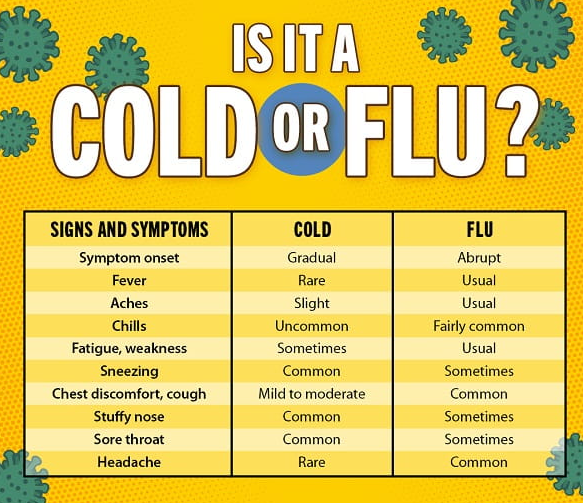
The flu usually comes on suddenly. People who have flu often feel some or all of these symptoms:
- fever* or feeling feverish/chills
- cough
- sore throat
- runny or stuffy nose
- muscle or body aches
- headaches
- fatigue (tiredness)
- some people may have vomiting and diarrhea, though this is more common in children than adults.
*It’s important to note that not everyone with flu will have a fever.
We have included a short video which explains the flu virus and the importance of the flu vaccination by Dr. Darien Sutton, a board-certified emergency medicine physician and medical correspondent for ABC News:
Flu Virus and Vaccinations. Note this is a Facebook Reel.
Three Actions to Prevent Flu Every Year
- Take time to get the flu vaccine. The single best way to prevent flu is to get vaccinated every year.
- Everyone aged 6 months and older, without contraindications, is recommended to get an annual flu vaccine by the end of October. But it's never too late to get the flu shot.
- Some young children aged 6 months through 8 years will need two doses of flu vaccine to be fully protected. Find out more here.
- Every year, flu vaccines prevent millions of illnesses and thousands of hospitalizations and deaths. They reduce the burden on the health care system and conserve medical resources, which continues to be extremely important in Michigan.
- Vaccination of people at high risk for flu complications is especially important to lower their risk of severe flu illness and death.
- It is essential that health care workers and those who work or live with people at higher risk are vaccinated.
- Take every day preventative actions to stop the spread of germs.
- Avoiding close contact with other people who are sick and stay home when you are sick.
- Cover your mouth and nose with a tissue when coughing or sneezing.
- Wash your hands often with soap and water for at least 20 seconds. If soap and water is not available, use alcohol-based hand sanitizer.
- Avoid touching your eyes, nose, or mouth.
- Practice other good health habits including getting plenty of sleep, clean and disinfecting frequently touched surfaces, drinking plenty of fluids, and eating nutritious foods.
- Take flu antiviral drugs if your doctor prescribes them.
- Antiviral drugs can be used to treat your illness, if you get the flu.
- Antiviral drugs can make flu illness milder and shorten the time you are sick.
- Higher risk individuals should contact their health care provider as soon as flu symptoms develop to be treated with antivirals.
Resources:
- Wellness Wednesday about handwashing: Handwashing 12/4/2024
- Wellness Wednesday about illnesses: Wellness Wednesday: Illnesses Due to Weather Changes
- Resource page prepared by the CDC: https://www.cdc.gov/flu/
- Resource page prepared by State of Michigan: https://www.michigan.gov/flu
- Resource page prepared by City of Detroit: https://detroitmi.gov/search?search=flu