
February is American Heart Month. So today's Wellness Wednesday is going to focus on choosing heart-healthy foods. Heart-healthy eating involves choosing certain foods, such as fruits and vegetables, while limiting others, such as saturated fats and added sugars.
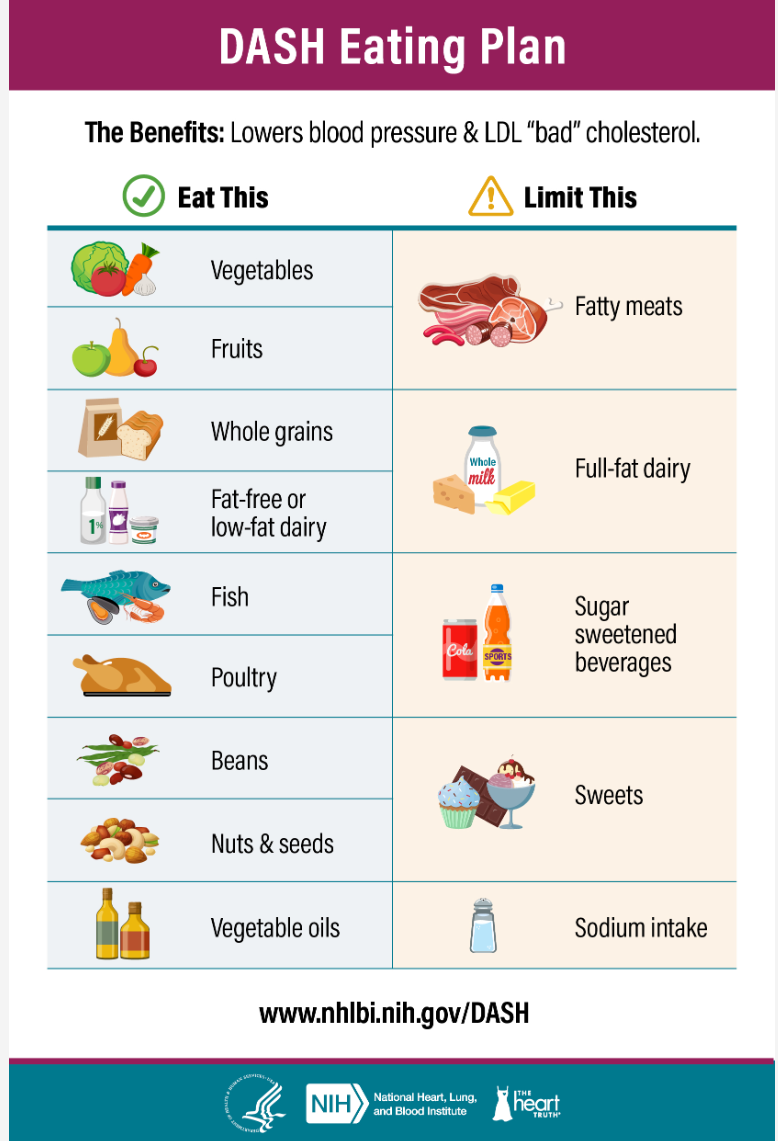
One approach is the Dietary Approaches to Stop Hypertension (DASH) eating plan because it has been proven to lower high blood pressure and “bad” LDL cholesterol in the blood. The DASH eating plan requires no special foods and instead provides daily and weekly nutritional goals. This plan recommends:
- Eating vegetables, fruits, and whole grains
- Including fat-free or low-fat dairy products, fish, poultry, beans, nuts, and vegetable oils
- Limiting foods that are high in saturated fat, such as fatty meats, full-fat dairy products, and tropical oils such as coconut, palm kernel, and palm oils
- Limiting sugar-sweetened beverages and sweets
Another place to explore is MyPlate Plan. This tool calculates daily food group targets based on your age, sex, height, weight, and physical activity level. You can also download My Food Diary to track your meals.
Once you've planned your meals, make a grocery list. While shopping, stick to the list and choose healthier ingredients for the meals you will prepare at home. Here are some ways to make smart choices:
- Use low-fat, low-sodium soups.
- Reduce the amount of cheese in a recipe and use low-fat cheese.
- Sauté with non-stick cooking spray or a little cooking oil instead of a solid fat.
- If you're using ground beef, look for a low-fat variety. Once you've browned ground meat, drain it to remove excess fat.
- Check out fresh or frozen vegetable side dishes without added cream, butter, salt, or cheese.
- Substitute whole fruits without added sugars for higher calorie desserts.
- Substitute skinless ground turkey breast for beef.
- Add beans to vegetable soups and chilis to improve the nutritional value.
When you eat, pay attention to portion size. This includes the portion of condiments, such as butter or salad dressing. Additionally, serving food on individual plates instead of putting serving dishes on the table may discourage second and third helpings.
You can look for this insignia on foods:
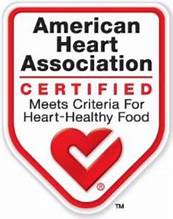
The Heart-Check mark is a simple tool to help you Eat Smart. When you see it, you can be confident that a product aligns with the American Heart Association’s recommendations for an overall healthy eating pattern. Here is the Heart-Check Digital Grocery List you can use to find these products: Heart-Check Digital Grocery List. You can search by brands or by categories. More information about this AHA certification can be found on their website: AHA Heart-Check Healthy Living.